Free shipping for orders $80 up


Wait, don't go!
Before you leave, we have a special offer just for you!
Get 20% off your next purchase.
Before you leave, we have a special offer just for you!
Get 20% off your next purchase.
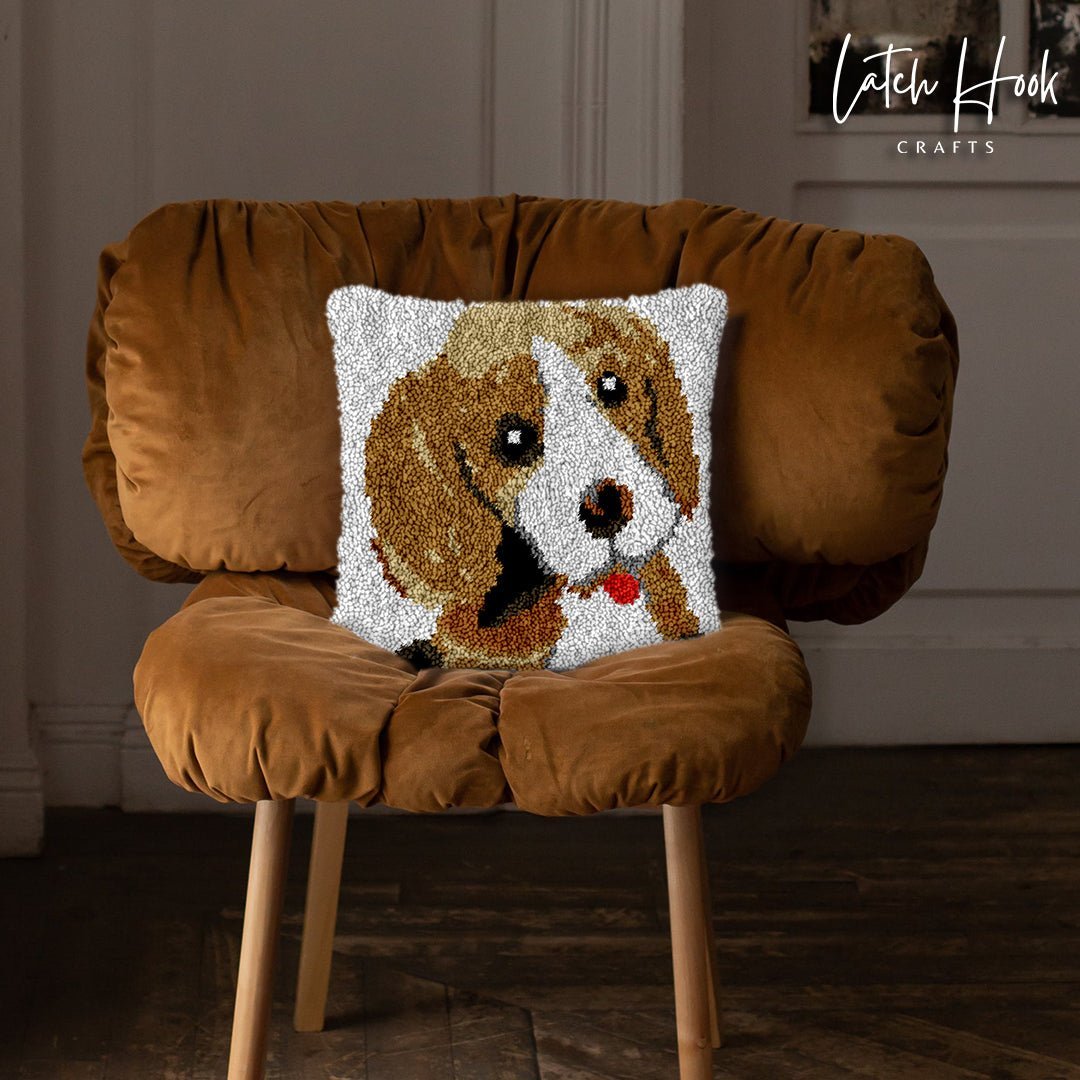

Large latch hook projects can be incredibly rewarding. They transform into beautiful, handmade rugs, wall hangings, or tapestries that are as satisfying to complete as they are to show off. But they also come with challenges: scattered yarn, confusing charts, sore backs, and dwindling motivation.
That’s why staying organized and efficient isn’t just a bonus—it’s essential. This guide breaks down how to plan, organize, and finish your large latch hook project without stress, mess, or burnout.
Before you even snip your first strand of yarn, get clear on what your project involves.
Large latch hook projects can take dozens or even hundreds of hours. It’s not a weekend craft; it’s a season-long journey. Look at the finished size and complexity. A 30″x50″ rug could mean placing over 20,000 yarn pieces. Plan accordingly.
If you’re new to latch hook, don’t start with a floor-sized rug. Begin with a pillow or wall hanging to build confidence. Large projects are much easier when you already know how to manage yarn, charts, and your workspace.
Pick a pattern you genuinely love. You’ll be spending a lot of time with it, so make sure it’s something you won’t get tired of halfway through. Abstract patterns can be easier than faces or detailed landscapes.
A cluttered space creates a cluttered mind. Get your area ready to support a smooth process.
Set up in a space with good lighting, a comfortable chair, and a large surface area. A spare table, craft room, or even a corner of the living room can work well.
Organize tools and yarn in bins, boxes, or craft drawers. Use a rolling cart or caddy so you can move your setup from room to room if needed.
If you need to pack up your project regularly, use a portfolio case or large tote to store your in-progress canvas, yarn, and tools together. Avoid folding the canvas if you can help it—rolling is better for keeping it smooth.
Yarn chaos is a top reason latch hookers get overwhelmed. Smart organization makes your work faster and more enjoyable.
Some kits come with pre-cut yarn; others provide long skeins. If you’re cutting your own, use a latch hook cutting guide or cardboard jig for consistent lengths.
Use:
Each color should be separated, clearly labeled, and easy to grab. Use color-coded stickers if you have multiple shades of the same hue.
Print a mini chart of your color codes or tape a copy to your workspace. This saves you from digging through a pile of yarn every time you switch shades.
A latch hook chart is your roadmap. Lose it, and you’re lost. Keep your chart intact and manageable throughout the project.
Photocopy or scan your chart so you can mark it up freely. Laminating one version or sliding it into a plastic sleeve protects it from wear.
Mark off completed sections using different colors for different days. It makes it easier to spot errors and keeps motivation high.
Divide your canvas into quadrants or grid zones. Focus on one section at a time. Use binder clips or washi tape to isolate the area you’re working on.
If your canvas isn’t pre-gridded, lightly mark lines with a washable fabric pen to help keep your work aligned.
Big projects lose steam when there’s no plan. A schedule helps you move forward consistently.
Break the project into daily or weekly goals based on your pace. For example: “Finish one row every two days.”
Work in 30-minute focused sessions. Use the Pomodoro technique (25 minutes on, 5 minutes off) to avoid fatigue.
Check off completed sections or use a progress tracker. Watching your accomplishments grow fuels momentum.
Celebrate milestones: halfway points, 10-hour marks, or finishing a difficult section. Rewards can be anything—a new skein of yarn, a snack, or a guilt-free Netflix binge.
Being efficient can save hours over the course of a large project.
Start at one corner and move row by row or in blocks. Avoid hopping around—it increases mistakes and slows your pace.
Elevating your canvas prevents back and neck strain. Look for adjustable latch hook frames or stands.
Load a few yarn pieces in advance and place them in a tray or your lap. This keeps your rhythm going without stopping for each piece.
Instead of switching constantly, fill in all of one color in a section before moving on. It’s faster and easier on your eyes.
Big projects require more than yarn and tools—they require mindset.
Post your progress on Instagram, join a latch hook Facebook group, or follow craft forums. Support and encouragement go a long way.
Listen to audiobooks, podcasts, or soothing music. Latch hooking doesn’t require constant mental focus, so pair it with your favorite entertainment.
Pin small sticky notes on your canvas to show where each 10% mark is. Reaching those checkpoints keeps you motivated.
Plan where your finished piece will go. Thinking about that final rug hanging proudly in your hallway is a great motivator.
The last stages are just as important as the first. A little care goes a long way.
Once your project is done, trim any uneven yarn ends and gently brush the surface to remove fuzz.
Bind or stitch the edges to prevent unraveling. Use rug binding tape or sew a border for a polished finish.
Hang your piece, use it as a rug, or roll it gently and store it in a clean, dry area. Avoid folding to prevent creases.
Tackling a large latch hook project doesn’t have to be overwhelming. With a clear plan, organized supplies, and steady progress, even the biggest project becomes manageable—and enjoyable.
Remember: it’s not about racing to the finish. It’s about enjoying the process, watching your design come to life, and creating something uniquely yours. Whether it takes weeks or months, the moment you loop that last piece of yarn, every bit of effort will have been worth it.
So take a deep breath, roll out your canvas, and start hooking.